
Understanding Scrap Prices: A Guide for Sellers
- Haris Khan
- Sep 21
- 5 min read

Selling scrap metal can be a lucrative venture, but understanding scrap prices is crucial for maximizing your profits. Whether you are a seasoned seller or just starting, knowing how scrap prices work can help you make informed decisions. In this guide, we will explore the factors that influence scrap prices, how to prepare your materials for sale, and tips for finding the best buyers.
What Are Scrap Prices?
Scrap prices refer to the amount of money you can receive for your scrap materials. These prices fluctuate based on various factors, including market demand, material type, and location. Understanding these factors can help you time your sales for the best possible return.
Types of Scrap Metal
There are two main categories of scrap metal: ferrous and non-ferrous.
Ferrous Metals: These contain iron and are magnetic. Common examples include steel and cast iron. Ferrous metals typically have lower scrap prices compared to non-ferrous metals.
Non-Ferrous Metals: These do not contain iron and are not magnetic. Examples include aluminum, copper, and brass. Non-ferrous metals usually command higher prices due to their demand in various industries.
Factors Influencing Scrap Prices
Several factors can affect scrap prices. Understanding these can help you make better selling decisions.
1. Market Demand
The demand for specific metals can fluctuate based on economic conditions. For instance, if the construction industry is booming, the demand for steel may rise, leading to higher scrap prices. Conversely, during economic downturns, demand may decrease, causing prices to drop.
2. Global Market Trends
Scrap prices are also influenced by global market trends. For example, if a major country increases its production of a certain metal, it can lead to a surplus in the market, driving prices down. Keeping an eye on global news can help you anticipate price changes.
3. Material Quality
The quality of your scrap metal plays a significant role in determining its price. Clean, uncoated metals fetch higher prices than mixed or contaminated materials. Always aim to sort and clean your scrap before selling.
4. Location
Your geographical location can impact scrap prices. Prices may vary from one region to another based on local demand and supply. Researching local scrap yards can help you find the best prices in your area.
5. Seasonal Changes
Certain times of the year can affect scrap prices. For example, prices may rise in the spring and summer when construction projects are more common. Conversely, prices may drop in the winter months when demand slows.
Preparing Your Scrap for Sale
To get the best price for your scrap, proper preparation is essential. Here are some tips to help you get started.
1. Sort Your Scrap
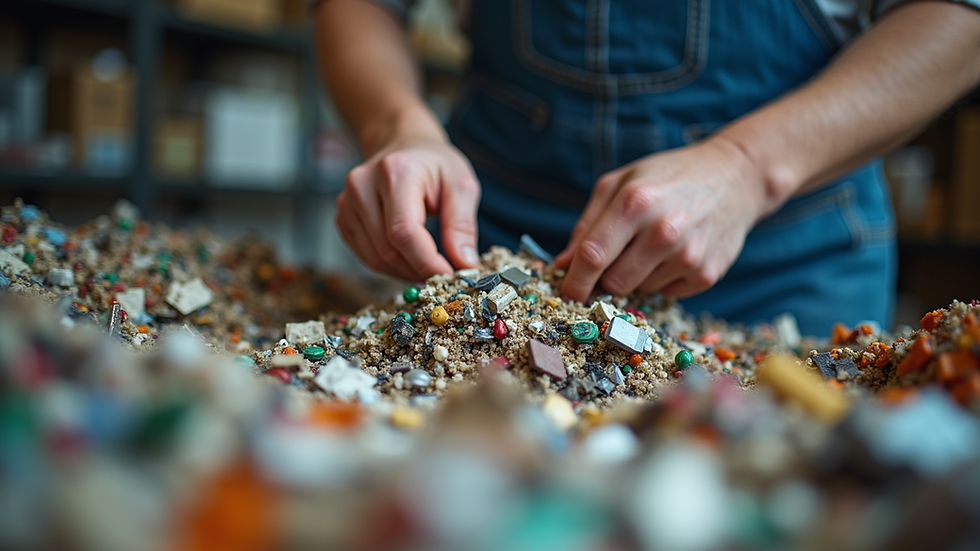
Sorting your scrap into different categories can significantly increase its value. Separate ferrous from non-ferrous metals, and further categorize non-ferrous metals by type. This makes it easier for buyers to assess the value of your materials.
2. Clean Your Scrap
Removing any contaminants, such as plastic or rubber, can improve the quality of your scrap. Clean metals are more appealing to buyers and can lead to higher prices.
3. Weigh Your Scrap
Knowing the weight of your scrap can help you negotiate better prices. Most scrap yards will weigh your materials before making an offer. Having an accurate weight can give you an advantage in discussions.
4. Research Local Scrap Yards
Not all scrap yards offer the same prices. Take the time to research local options and compare prices. Some yards may specialize in certain types of metals, which can affect their pricing.
Finding the Best Buyers
Once you have prepared your scrap, it is time to find the right buyers. Here are some strategies to consider.
1. Visit Local Scrap Yards
Visiting local scrap yards can give you a sense of their pricing and policies. Speak with the staff to understand their requirements and how they determine prices. Building a relationship with local buyers can also lead to better deals in the future.
2. Use Online Platforms
Many online platforms connect sellers with buyers. Websites and apps dedicated to scrap metal can help you find competitive prices. Make sure to read reviews and check the credibility of buyers before making a deal.
3. Attend Scrap Metal Auctions
Scrap metal auctions can be a great way to sell larger quantities of materials. These events often attract serious buyers willing to pay competitive prices. Research upcoming auctions in your area and consider participating.
4. Network with Other Sellers
Connecting with other scrap metal sellers can provide valuable insights. They may share tips on where to sell, what prices to expect, and how to improve your selling strategy. Join local groups or online forums to expand your network.
Timing Your Sale
Timing can significantly impact the price you receive for your scrap. Here are some tips for choosing the right moment to sell.
1. Monitor Market Trends
Keep an eye on market trends and price fluctuations. Websites that track scrap prices can provide valuable information. If you notice a spike in prices, it may be a good time to sell.
2. Be Aware of Seasonal Changes
As mentioned earlier, certain seasons can affect scrap prices. Plan your sales around these trends to maximize your profits. For example, consider selling during the spring when demand is typically higher.
3. Set Price Alerts
Some online platforms allow you to set price alerts for specific metals. This can help you stay informed about price changes and make timely selling decisions.
Understanding Payment Methods
When selling scrap, it is essential to understand the payment methods available. Here are some common options.
1. Cash Payments
Many scrap yards offer cash payments on the spot. This can be convenient, but ensure you are getting a fair price before accepting cash.
2. Check Payments
Some buyers may offer payment via check. While this can be a secure option, it may take longer to process. Make sure to verify the buyer's credibility before accepting a check.
3. Electronic Payments
With the rise of technology, some buyers now offer electronic payment options. This can be a quick and efficient way to receive payment, but ensure you are using a secure platform.
Common Mistakes to Avoid
As a seller, it is essential to avoid common pitfalls that can affect your profits. Here are some mistakes to watch out for.
1. Not Researching Prices
Failing to research scrap prices can lead to selling your materials for less than they are worth. Always take the time to compare prices before making a sale.
2. Ignoring Quality
Selling contaminated or mixed metals can significantly reduce your profits. Always prioritize quality by cleaning and sorting your scrap.
3. Rushing the Sale
Taking your time to find the right buyer can pay off. Rushing into a sale may lead to missed opportunities for better prices.
4. Neglecting to Build Relationships
Building relationships with local buyers can lead to better deals in the long run. Take the time to connect with scrap yard staff and other sellers.
The Future of Scrap Prices
As the world continues to evolve, so do scrap prices. Factors such as technological advancements, environmental regulations, and global market changes will continue to shape the scrap metal industry. Staying informed about these trends can help you adapt and thrive as a seller.
1. Recycling Initiatives
With a growing focus on sustainability, recycling initiatives are becoming more prevalent. This can lead to increased demand for scrap metals, potentially driving prices up.
2. Technological Advancements
New technologies in metal processing and recycling can impact scrap prices. As methods improve, the efficiency of recycling may increase, affecting supply and demand dynamics.
3. Global Economic Changes
Economic shifts in major countries can influence scrap prices. Keeping an eye on global economic trends can help you anticipate changes in the market.
Wrapping It Up
Understanding scrap prices is essential for anyone looking to sell scrap metal. By knowing the factors that influence prices, preparing your materials properly, and finding the right buyers, you can maximize your profits. Remember to stay informed about market trends and avoid common mistakes. With the right approach, selling scrap can be a rewarding experience.


Comments