
Maximize Profit with Effective Scrap Metal Selling
- Haris Khan
- Sep 21
- 4 min read

Selling scrap metal can be a lucrative venture if done correctly. Many people overlook the potential profits hidden in their old appliances, vehicles, and construction materials. With a little knowledge and effort, you can turn what seems like junk into cash. This guide will help you understand how to maximize your profit when selling scrap metal.
Understanding Scrap Metal Types
Before you start selling, it is essential to know the different types of scrap metal. There are two main categories: ferrous and non-ferrous metals.
Ferrous Metals
Ferrous metals contain iron and are magnetic. Common examples include:
Steel: Found in appliances, cars, and construction materials.
Cast Iron: Often used in pipes and heavy machinery.
Ferrous metals are generally less valuable than non-ferrous metals, but they are still worth collecting.
Non-Ferrous Metals
Non-ferrous metals do not contain iron and are not magnetic. They tend to be more valuable. Examples include:
Aluminum: Found in cans, window frames, and some vehicles.
Copper: Commonly found in electrical wiring and plumbing.
Brass: Often used in plumbing fixtures and musical instruments.
Understanding these types will help you identify what you have and how much it might be worth.
Finding Scrap Metal
Now that you know the types of scrap metal, the next step is finding it. Here are some practical tips:
Home Renovations: When renovating your home, look for old pipes, appliances, and wiring.
Old Vehicles: If you have an old car, consider scrapping it. Many parts are made of valuable metals.
Construction Sites: If you have access, construction sites often have leftover materials that can be collected.
Local Businesses: Reach out to local businesses that may have scrap metal they want to dispose of.
Preparing Your Scrap Metal
Once you have collected your scrap metal, it is time to prepare it for sale. Proper preparation can significantly increase your profits.
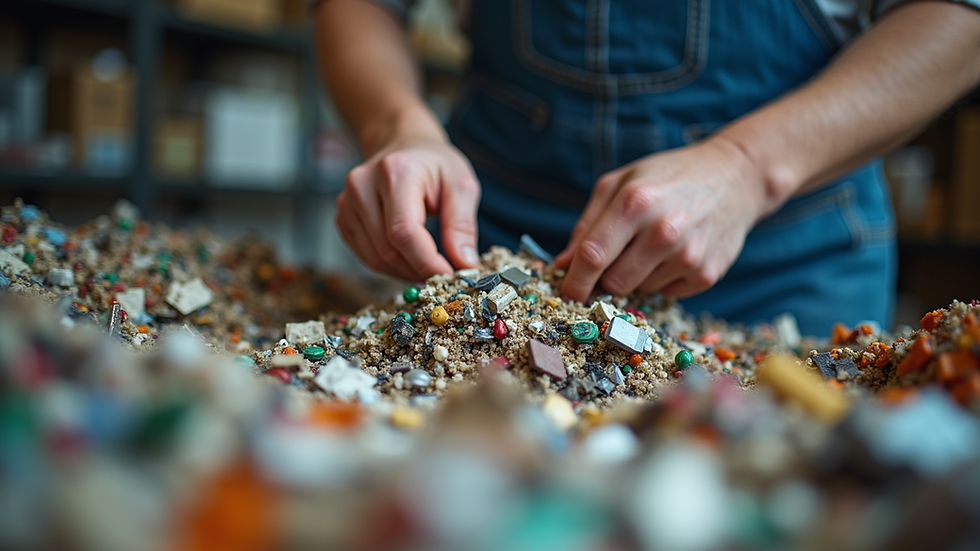
Sorting
Sort your metals into ferrous and non-ferrous categories. This will help you get the best price at the scrap yard.
Cleaning
Clean your scrap metal as much as possible. Remove any non-metal parts, such as plastic or rubber. This will make your scrap more appealing to buyers.
Weighing
Weigh your scrap metal before heading to the scrap yard. Knowing the weight will help you estimate how much money you can make.
Finding the Right Scrap Yard
Not all scrap yards are created equal. Here are some tips for finding the best one:
Research: Look for scrap yards in your area and read reviews.
Compare Prices: Call around to get quotes on the types of metal you have.
Check for Certifications: A reputable scrap yard should have the necessary licenses and certifications.
Negotiating the Best Price
When you arrive at the scrap yard, be prepared to negotiate. Here are some tips:
Know Your Metal: Understand the current market prices for the metals you are selling.
Be Polite: A friendly attitude can go a long way in negotiations.
Be Prepared to Walk Away: If the price is not right, do not hesitate to leave. There are other scrap yards that may offer better deals.
Timing Your Sale
The price of scrap metal can fluctuate based on market demand. Here are some tips for timing your sale:
Watch Market Trends: Keep an eye on metal prices. Websites and apps can help you track these trends.
Sell in Bulk: If you have a large amount of scrap, consider waiting for prices to rise before selling.
Seasonal Factors: Prices can vary by season. For example, construction activity often increases in spring and summer, which can drive up demand for certain metals.
Safety First
When collecting and selling scrap metal, safety should always be a priority. Here are some safety tips:
Wear Protective Gear: Gloves and sturdy shoes can protect you from sharp edges and heavy items.
Use Proper Lifting Techniques: Avoid injury by lifting heavy items correctly.
Be Aware of Your Surroundings: If you are collecting from construction sites or busy areas, stay alert to avoid accidents.
Eco-Friendly Benefits
Selling scrap metal is not just about making money; it also has environmental benefits. Recycling metal reduces the need for mining and conserves natural resources. By selling your scrap metal, you are contributing to a more sustainable future.
Real-Life Success Stories
To inspire you further, here are a couple of real-life success stories:
John's Old Car: John had an old car sitting in his driveway for years. After researching, he decided to scrap it. He removed the valuable parts, such as the battery and catalytic converter, and sold them separately. In total, he made over $500 from what he thought was just junk.
Lisa's Home Renovation: During her home renovation, Lisa collected old pipes, wiring, and appliances. After sorting and cleaning, she took her scrap to a local yard. She was surprised to receive $300 for her efforts, which she used to buy new fixtures for her home.
Final Thoughts
Selling scrap metal can be a rewarding experience, both financially and environmentally. By understanding the types of metals, preparing them properly, and finding the right scrap yard, you can maximize your profits.
Remember to stay safe while collecting and selling, and keep an eye on market trends to get the best prices. With a little effort, you can turn your scrap into cash and contribute to a greener planet.

By following these tips and strategies, you can become a successful scrap metal seller. Whether you are cleaning out your garage or looking for a side hustle, the world of scrap metal offers plenty of opportunities. Happy selling!

Comments