
Top Scrap Trading Tips for Eco-Friendly Recycling
- Haris Khan
- Sep 21
- 4 min read

In today's world, recycling is more important than ever. With the growing concern for our planet, many people are looking for ways to reduce waste and promote sustainability. Scrap trading is one effective way to contribute to eco-friendly recycling. Whether you are a seasoned trader or just starting, these tips will help you navigate the world of scrap trading while making a positive impact on the environment.
Understanding Scrap Trading
Scrap trading involves buying and selling recyclable materials. This can include metals, plastics, paper, and more. The goal is to divert these materials from landfills and ensure they are reused or recycled properly.
By participating in scrap trading, you not only help the environment but can also make some extra cash. Many people are surprised to learn that scrap materials can be quite valuable.
Know Your Materials
Before you start trading, it is essential to know what materials you have. Different types of scrap have different values. Here are some common materials you might encounter:
Metals: Aluminum, copper, and steel are among the most valuable scrap metals.
Plastics: Look for types 1 (PETE) and 2 (HDPE), which are widely accepted for recycling.
Paper: Cardboard and mixed paper can also be recycled, but their value may vary.
Understanding the value of these materials will help you make informed decisions when trading.
Research Local Scrap Yards
Not all scrap yards are created equal. Some may offer better prices than others. Take the time to research local scrap yards in your area.
Compare Prices: Call around or check websites to find out what different yards are paying for various materials.
Check Reviews: Look for reviews online to see what other traders have experienced.
Finding a reputable scrap yard can make a significant difference in your trading experience.
Organize Your Scrap
Before heading to the scrap yard, organize your materials. This will save you time and help you get the best price.
Sort by Material: Keep metals, plastics, and paper separate.
Clean Your Scrap: Remove any contaminants, such as food residue from containers. Clean materials are often worth more.
Taking the time to organize your scrap can lead to a smoother trading process.
Timing is Key
The market for scrap materials can fluctuate. Prices can vary based on demand, season, and global market trends.
Stay Informed: Keep an eye on market trends for scrap materials. Websites and news articles can provide valuable insights.
Trade at the Right Time: If you notice prices are high, it may be a good time to sell your scrap.
Being aware of market conditions can help you maximize your profits.
Build Relationships with Scrap Dealers
Establishing a good relationship with scrap dealers can be beneficial.
Communicate: Talk to your dealer about what materials they are looking for.
Be Honest: Always be upfront about the quality and condition of your scrap.
Building trust can lead to better deals and a more enjoyable trading experience.
Consider Eco-Friendly Practices
As you engage in scrap trading, think about how you can make your practices more eco-friendly.
Reduce Waste: Try to minimize the amount of waste you generate while collecting scrap.
Educate Others: Share your knowledge about recycling and scrap trading with friends and family.
Promoting eco-friendly practices can inspire others to join the movement.
Explore Online Trading Platforms
In addition to local scrap yards, consider using online platforms for trading scrap.
Marketplaces: Websites like Craigslist or Facebook Marketplace can connect you with buyers and sellers.
Apps: There are apps designed specifically for scrap trading that can help you find local buyers.
Online platforms can expand your trading opportunities and help you find better deals.
Stay Safe While Trading
Safety should always be a priority when trading scrap.
Wear Protective Gear: Gloves and sturdy shoes can protect you from sharp edges and heavy materials.
Be Aware of Your Surroundings: When visiting scrap yards or meeting buyers, stay alert to your environment.
Taking safety precautions can help ensure a positive trading experience.
Keep Records of Your Transactions
Maintaining records of your scrap trading activities can be beneficial.
Track Prices: Keep a log of what you sold and for how much. This can help you identify trends over time.
Document Your Sources: Note where you obtained your scrap materials. This can be useful for future reference.
Having organized records can help you make better decisions in the future.
Get Involved in Your Community
Engaging with your community can enhance your scrap trading experience.
Join Local Groups: Look for community groups focused on recycling and sustainability.
Participate in Events: Attend local recycling events or workshops to learn more and meet like-minded individuals.
Being part of a community can provide support and inspiration for your eco-friendly efforts.
Share Your Success Stories
As you become more experienced in scrap trading, consider sharing your journey.
Blog About It: Start a blog to document your experiences and share tips with others.
Social Media: Use platforms like Instagram or Facebook to showcase your scrap trading successes.
Sharing your story can motivate others to get involved in eco-friendly recycling.
Embrace Continuous Learning
The world of scrap trading is always evolving. Stay curious and open to learning.
Read Articles: Keep up with the latest news and trends in recycling.
Attend Workshops: Look for workshops or seminars that focus on recycling and sustainability.
Continuous learning can help you stay ahead in the scrap trading game.
Celebrate Your Contributions
Every small effort counts when it comes to recycling. Celebrate your contributions to eco-friendly practices.
Acknowledge Your Impact: Reflect on how your scrap trading efforts are helping the environment.
Encourage Others: Share your achievements with friends and family to inspire them to take action.
Recognizing your efforts can motivate you to continue making a difference.
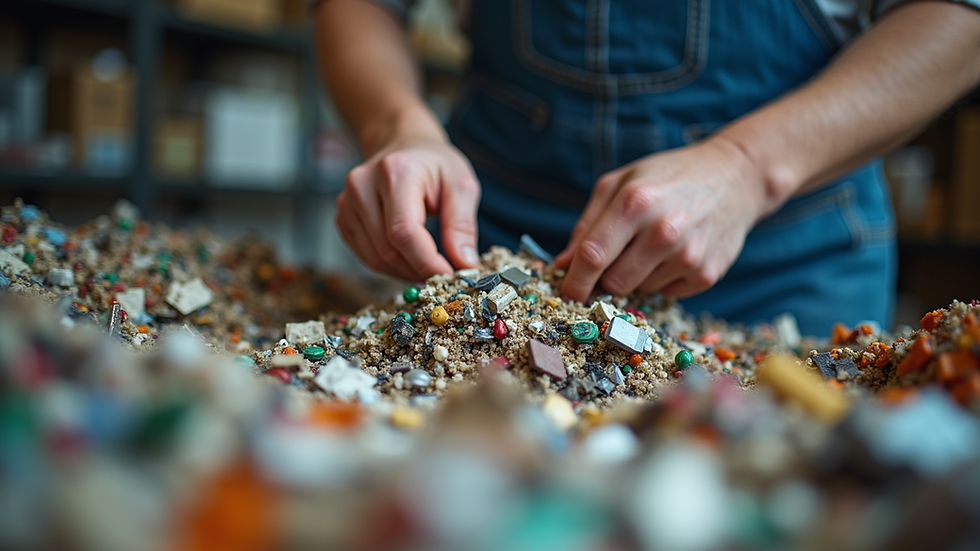
As you embark on your scrap trading journey, remember that every action counts. By following these tips, you can make a positive impact on the environment while also benefiting personally. Scrap trading is not just about making money; it is about contributing to a sustainable future.
So, gather your materials, connect with your community, and start trading. Together, we can create a cleaner, greener planet for generations to come.


Comments